
Africa is blessed with a rich cultural heritage and an abundance of mineral resources, yet the wealth of its mineral resources hardly reaches its people. Interestingly, most countries classified by the UN as least developed are in Africa, despite the continent being the world’s most resource-abundant region. This contradiction is often referred to as the resource curse, where countries rich in natural resources experience stunted growth and poor development outcomes. In Africa, a number of development strategies have failed to yield tangible results, with about 462 million of its people living in poverty. However, beyond these treasures and challenges lies its most valuable asset: its youth. With 60% of its population under the age of 25, Africa is home to the world’s youngest population, a powerhouse of potential waiting to be unleashed. This youthful energy could drive innovation, economic growth, and social change. However, many young people across the continent face significant barriers that hold them back. For young people with disabilities, this situation feels like a crisis within a crisis, creating a dual layer of exclusion that affects every aspect of their lives. This exclusion begins early, at a critical stage when they should be benefiting from quality early childhood education, demonstrating that even the youngest among us are not spared.
Even the Littlest Among Us Face Exclusion
Early childhood education plays a crucial role in shaping a child’s future, providing a solid foundation for cognitive, social, and emotional development. Yet, millions of children with disabilities in Africa are denied this important early start, limiting their ability to reach their full potential. Education is not just a basic right—it is a powerful tool for transformation, opening doors to opportunity and inclusion. According to the World Bank (2011), an estimated 6.4% of children under 14 have moderate or severe disabilities, and less than 10% of these children attend school. This highlights the severe barriers to education, as the unfortunate reality is that many of these children remain at home, confined to a space, isolated, possibly neglected, and left vulnerable to physical, emotional, and even sexual abuse. With no engagement whatsoever to stimulate their cognitive processes, build socio-emotional skills, or develop artistic skills, they are unable to achieve major developmental milestones, hindering them from reaching their full potential. These children, just like their peers, have their own unique aspirations and dreams for the future. They, too, have ambitions and yearn for opportunities to thrive and grow.
Barriers Faced by Young People with Disabilities
Studies have also shown that many schools lack inclusive practices, qualified professionals who are well-equipped to meet each child’s specific needs, and relevant technology and infrastructure, making it difficult for children with disabilities to learn. Essential resources such as braille materials, sign language instructors, visual aids, hands-on learning tools, and ramps are often unavailable. This poses a barrier to children accessing education, further leading to marginalisation. For children with mobility disabilities, specifically those from low-income families in rural areas, accessing education can be a great challenge. Especially in cases where free or affordable schools are miles away from their homes, it can create a double challenge for families who may already be struggling to make ends meet. The lack of proper transportation options tends to worsen the situation, limiting children to being bound at home. Education is considered a ladder to greatness and a tool for transformation. Yet, how can African children with disabilities achieve greatness if they are denied this essential tool for empowerment? The reality is that Africa is losing a wealth of potential due to its failure to provide inclusive education. The challenges of exclusion do not end in the classroom; they follow young people with disabilities into the workplace.
From Resilience to Representation: Unlocking Africa’s Inclusive Future
According to UNICEF (2021), in Africa, more than 50% of people with disabilities have experienced discrimination. The World Bank further highlights that the biggest barriers to employment include discrimination and the lack of accommodation provided by employers. Employers often doubt the effectiveness of employees with disabilities, overlooking their potential and unique skills. Without the implementation of policies that promote inclusivity in the workplace, many talented individuals remain unemployed, despite being fully capable of contributing to society. Despite these overwhelming challenges, African youth have demonstrated remarkable resilience. Resilience has been the driving force that keeps them going—holding onto what works a little longer and pushing beyond what doesn’t. When we combine their resilience with inclusion, representation, and the amplification of their voices, it becomes a powerful force for change.
The voices of people with disabilities must be central to shaping the policies that impact their lives. It’s not about speaking for them but amplifying their voices because disability speaks. They are the ones with lived experiences of exclusion facing barriers in education, healthcare, infrastructure, employment, and the digital divide. Who better to tell their stories than those who live them every day? Their firsthand experiences provide valuable insights that policymakers and researchers need to make more effective and inclusive policies. When their perspectives are included, policymakers can better identify barriers, make more informed decisions, and ensure that integration is truly meaningful—ultimately directing resources where they are needed most.
Just as Africa invests in infrastructure development and natural resources, it must also invest in its greatest asset, its youth. We must nurture this unique and valuable asset that Africa has, leaving no one behind. There is no African future without the current generation, and that includes young people with disabilities.
About the author: 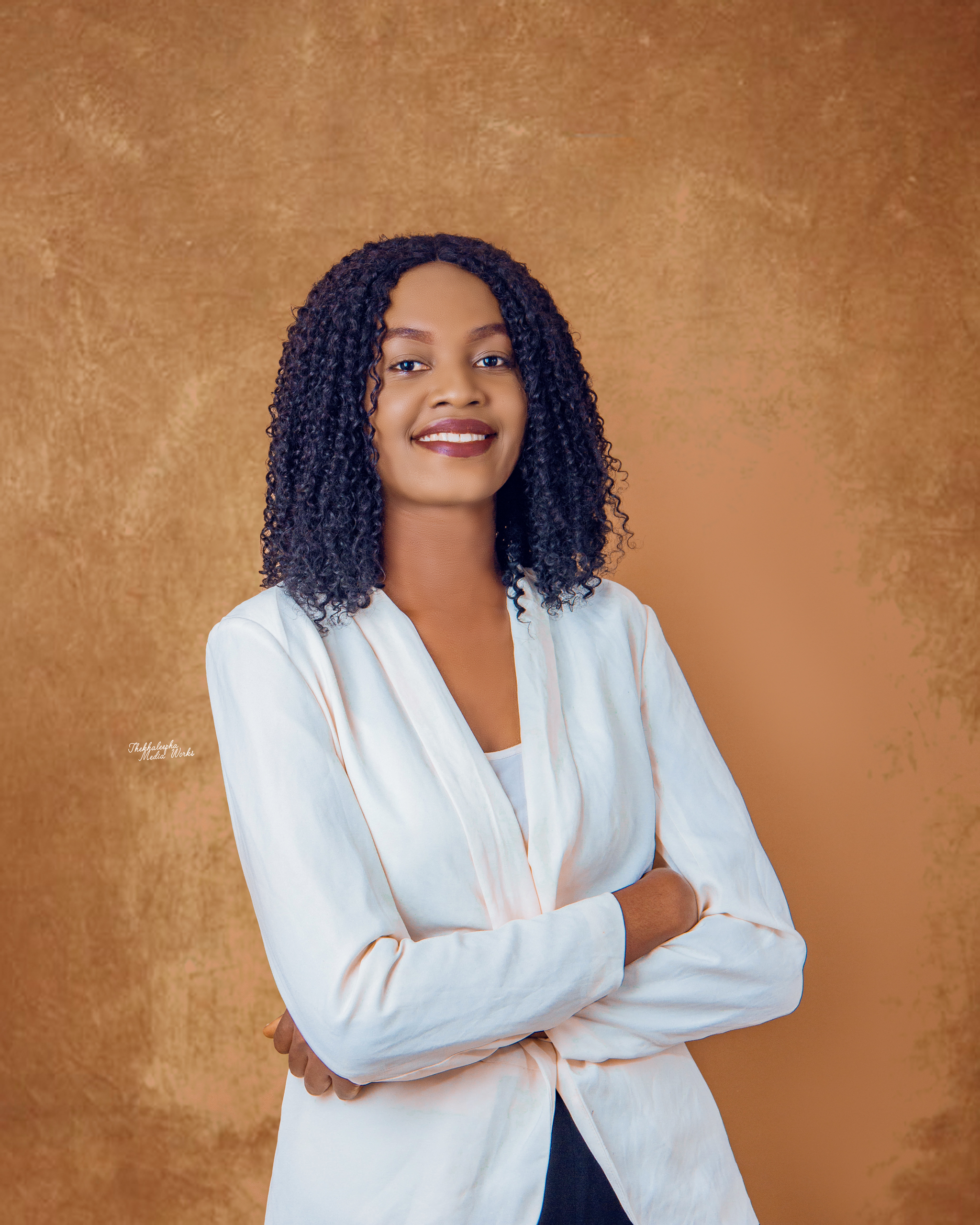 Folashade Fajuyigbe is the founder of Hills and Valleys Foundation, a non-profit organisation with a focus on helping marginalised children rise above barriers through education and hunger relief schemes. Over 485 children have benefited from this initiative, educational programs, and hunger relief schemes across rural communities in Nigeria, such as Makoko, Bariga, Agboyi Ilaje and Ijora Badia. As well as 35 children who benefited from a special project, #NoChildLeftBehind, that empowered CwD through mentorship and provision of food at Lagos Chesire, Disability Home.
She is a Youth Leader for the Africa Evidence Youth League. Folashade is also a Team Lead for the Education and Disability Inclusion Task Team, Theirworld. She has a burden to help vulnerable children and is on a “One Heart At A Time” mission to transform the lives of children. She is an advocate of inclusive education and also works as a Special Needs Therapist. Folashade has worked with different NGOs, in program operations and has rendered excellent delivery of project work. She is also a Global Youth Ambassador at TheirWorld.
Folashade is a Professional Writer who has helped people land interviews and job offers. She is tech-savvy and skilled in the use of tools such as Figma, Adobe XD, and Canva, with 2 years of experience in product development.
Acknowledgements: The author(s) is solely responsible for the content of this article, including all errors or omissions; acknowledgements do not imply endorsement of the content. The author is grateful to Charity Chisoro for her guidance in preparing and finalising this article, as well as her editorial support.
Disclaimer: The views expressed in published blog posts, as well as any errors or omissions, are the sole responsibility of the author/s and do not represent the views of the Africa Evidence Network, its secretariat, advisory or reference groups, or its funders; nor does it imply endorsement by the afore-mentioned parties.
Suggested citation: Fajuyigbe F (2025) Act for Inclusion: The Crisis Facing Young Africans with Disabilities. Blog posting on 17 April 2025. Available at: https://africaevidencenetwork.org/act-for-inclusion-the-crisis-facing-young-africans-with-disabilities/2025/04/17/