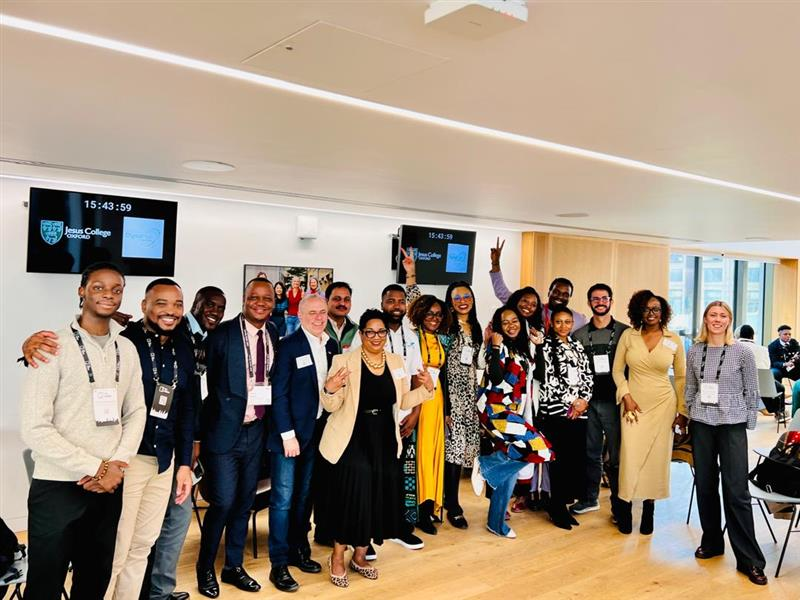
As I stood amid the buzz and brilliance of the 2025 Skoll World Forum, I was reminded of the incredible force that lies within shared visions, purposeful conversations, and timely evidence. The Forum—an annual global gathering held in Oxford, UK, brought together social innovators, thought leaders, funders, activists, and policy shapers to wrestle with some of the world’s most pressing challenges. From climate justice to economic equity, the sessions were rich, the energy palpable, and the collective mission clear: a more just, inclusive, and sustainable world is possible, but only if we act now and act together.
While the main Skoll Forum offered transformative plenaries and learning sessions, my core engagement was at an intentionally disruptive and deeply impactful SideBar event organised by Seth Cochran that challenged the status quo around youth engagement. Held under the theme “Beyond Tokenism”, this side gathering carved out a space for honest dialogue and critical reflection on how institutions engage with young people not as checkboxes or optics but as co-creators and change leaders.
Africa’s Youth Are Not the Future—They Are the Now
The message was unapologetically clear in a room filled with youth advocates, funders, educators, and policymakers: Africa’s youth are not waiting to be invited to the table—they’re already building their own. I felt seen, heard, and deeply affirmed as someone leading a youth-centred organisation in Tanzania.
The discussions explored urgent themes: unemployment, inequality, urban transformation, and climate resilience. We delved into models for scaling youth-led innovations, funding grassroots movements, supporting mental health, and unlocking the potential of the digital economy. It wasn’t about imagining a youth-friendly future but co-creating a youth-led present.
And yet, the discussions also echoed a profound truth: youth voices are often sidelined without evidence. Passion is vital, but data tells a story that policymakers, funders, and institutions can act on. This is where initiatives like the Africa Evidence Youth League are essential.
Why Initiatives Like the Africa Evidence Youth League Matter
The Africa Evidence Youth League (AEYL), a project under the Pan-African Collective for Evidence (PACE), represents a bold and necessary shift in understanding youth inclusion in the evidence ecosystem. It’s not enough to advocate for youth participation; we must invest in building their capacity to generate, interpret, and apply evidence to the systems they are trying to change.
As a member of this inspiring league, I’ve seen how evidence empowers youth to become active players in shaping policy by amplifying their stories and equipping them with the tools to influence with credibility. AEYL has created platforms for young people across the continent to learn about evidence synthesis, data literacy, and policy engagement, giving rise to a new generation of evidence champions.
These initiatives matter because they address a critical gap: the underrepresentation of youth in research and policy dialogues, especially those that concern them most. From climate change to digital transformation, evidence-informed youth leadership is no longer optional—it’s essential.
Evidence in a Post-Aid Africa
Another session that left a mark on me explored Africa’s post-aid trajectory and the shifting landscape of global philanthropy. As the continent begins to reimagine its development architecture beyond foreign aid, the role of locally-generated, credible, and actionable evidence becomes even more critical.
Philanthropic organisations and bilateral donors are increasingly challenged to justify their impact, decolonise funding processes, and invest in systems rather than symptoms. However, without strong evidence of ecosystems, African institutions risk being left behind in this transition.
This is where pan-African initiatives like PACE play an anchoring role. They support a continental approach to localising evidence for Africa’s realities by coordinating networks, training, and cross-border collaborations. And importantly, they position youth—not as passive recipients—but as architects of their future.
Toward a Culture of Evidence-Informed Youth Empowerment
The Skoll World Forum and the Side BAR event reminded me that evidence is not just about numbers—it’s about power. When we invest in evidence-informed youth programming, we’re not only ensuring that resources are used effectively—we are affirming young people’s experiences, ideas, and leadership.
Africa has the world’s youngest population. This isn’t a liability—it’s our greatest asset. But potential alone is not enough. We must create enabling environments where evidence drives investment, informs policy, and fuels innovation.
As I left Oxford, I carried new connections, renewed hope and a more profound commitment to continue championing youth-led, evidence-informed change in Tanzania, across Africa, and beyond. We must listen to those already shaping it to build a future that works.
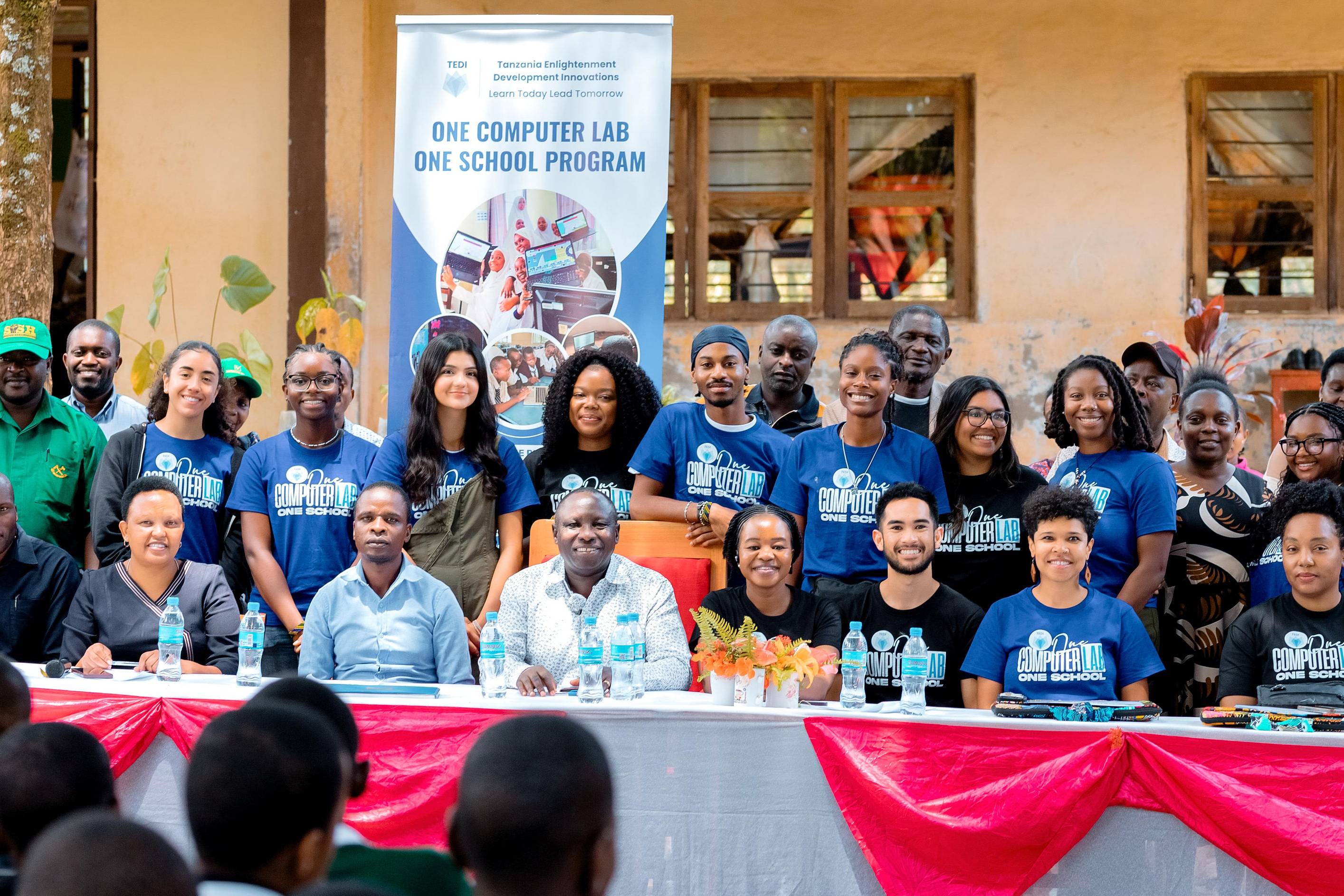
About the author: Gloria Anderson is the Founder and Executive Director of Tanzania Enlightenment Development Innovations (TEDI), a non-governmental organisation dedicated to improving the quality of education in Tanzania by integrating practical skills into the educational system. Under her leadership, TEDI provides programs such as entrepreneurship and employability skills training and digital literacy initiatives. One of her notable projects, “One Computer Lab One School,” aims to establish computer labs in under-resourced public schools, equipping students and teachers with essential computer skills, including e-learning and e-teaching through educational tools, e-libraries, and e-platforms.
In addition to her role at TEDI, Gloria manages stakeholders and communities of practice at the Africa Evidence Network. Her expertise in stakeholder engagement and community development enhances her ability to drive impactful initiatives and foster collaboration within the network.
TEDI was founded based on evidence from a research study conducted by Gloria on graduates’ perceptions of the contribution of university education to employability in Tanzania. The study revealed a significant gap between theoretical knowledge provided by the education system and the practical skills required in the job market and business environment, with 66% of graduates reporting a lack of soft skills. Gloria believes the key to Africa’s development is generating and utilising evidence to drive transformational impacts.
Acknowledgements: The author(s) is solely responsible for the content of this article, including all errors or omissions; acknowledgements do not imply endorsement of the content. The author is grateful to Charity Chisoro for her guidance in preparing and finalising this article, as well as her editorial support.
Disclaimer: The views expressed in published blog posts, as well as any errors or omissions, are the sole responsibility of the author/s and do not represent the views of the Africa Evidence Network, its secretariat, advisory or reference groups, or its funders; nor does it imply endorsement by the afore-mentioned parties.
Suggested citation: Anderson G (2025) Beyond Tokenism: A Youth-Led Call for Evidence at the Skoll World Forum. Blog posting on 17 April 2025. Available at:https://africaevidencenetwork.org/beyond-tokenism-a-youth-led-call-for-evidence-at-the-skoll-world-forum/2025/04/17/