
As I stepped into the vibrant atmosphere of the Utafiti Elimu Tanzania 2025 conference, held at the State University of Zanzibar (SUZA) Maruhubi campus, I was reminded of the power of collective knowledge and collaboration in shaping education systems. The gathering brought together policymakers, researchers, educators, and practitioners from across Tanzania and beyond, all united by a shared commitment to improving educational outcomes through evidence-based decision-making.
The University of Dar es Salaam’s College of Information and Communication Technologies (CoICT) organised the conference with sponsorship from Vodacom Tanzania Foundation, among other key partners. Four central themes guided the discussions: Dropout, Retention, and Reintegration; Teacher Preparedness; Climate, Environment, and Education; and TVET and Human Capacity. These themes resonated deeply with our work at Tanzania Enlightenment Development Innovations (TEDI) and the broader mission of the Africa Evidence Network (AEN), which seeks to strengthen the link between research and policy across the continent.
Connecting Research with Impact: Lessons for TEDI
At TEDI, we firmly believe in translating evidence into action. The discussions at Utafiti Elimu reaffirmed the importance of this approach, particularly in the following areas:
- Dropout, Retention, and Reintegration
- Hearing that over 306,000 students dropped out of school in 2023 was a sobering reminder of our education system’s challenges. Many of these dropouts stem from economic hardship, early pregnancies, and limited access to quality learning environments. TEDI’s programs, which integrate financial literacy and entrepreneurship education, offer one way to empower youth, especially those at risk of dropping out, with skills that make education more relevant and sustainable.
- Teacher Preparedness
- Quality education begins with well-equipped teachers. TEDI’s Teach Tech Project, which trains ICT teachers in public schools, aligns with this theme. The conference highlighted the urgent need for continuous professional development, especially in integrating technology into the classroom—something we are passionate about scaling across Tanzania.
- Climate, Environment, and Education
- The role of education in fostering climate awareness and action cannot be overstated. At TEDI, we advocate for digital literacy and environmental sustainability to be embedded in school curricula. The discussions at Utafiti Elimu strengthened our resolve to explore partnerships that merge education with climate resilience initiatives.
- TVET and Human Capacity
- With Tanzania’s focus on technical skills development, TEDI sees an opportunity to expand our digital and entrepreneurial training to vocational education institutions. The conference emphasised the need for stronger industry linkages—a call to action for us to collaborate more with technical training centres and the private sector.
The African Evidence Network Connection
A key takeaway from the conference was the necessity of bridging research with policy and practice. This aligns with the core mission of the Africa Evidence Network (AEN), where TEDI has been actively engaging in evidence-informed education initiatives. The dialogue at Utafiti Elimu reinforced the need for organisations like TEDI to implement impactful programs and generate and share insights that contribute to national and regional policy discussions.
As I left the conference, I felt more energised than ever to ensure that TEDI continues championing evidence-based solutions in education. We are committed to strengthening our partnerships, sharing our learnings, and, most importantly, making a tangible impact on the lives of young learners and educators across Tanzania.
Utafiti Elimu Tanzania 2025 was not just a conference; it was a powerful reminder that education transformation requires collective effort, research-driven solutions, and a commitment to action. TEDI is proud to be part of this movement, and we look forward to translating these insights into real change for Tanzania’s youth.
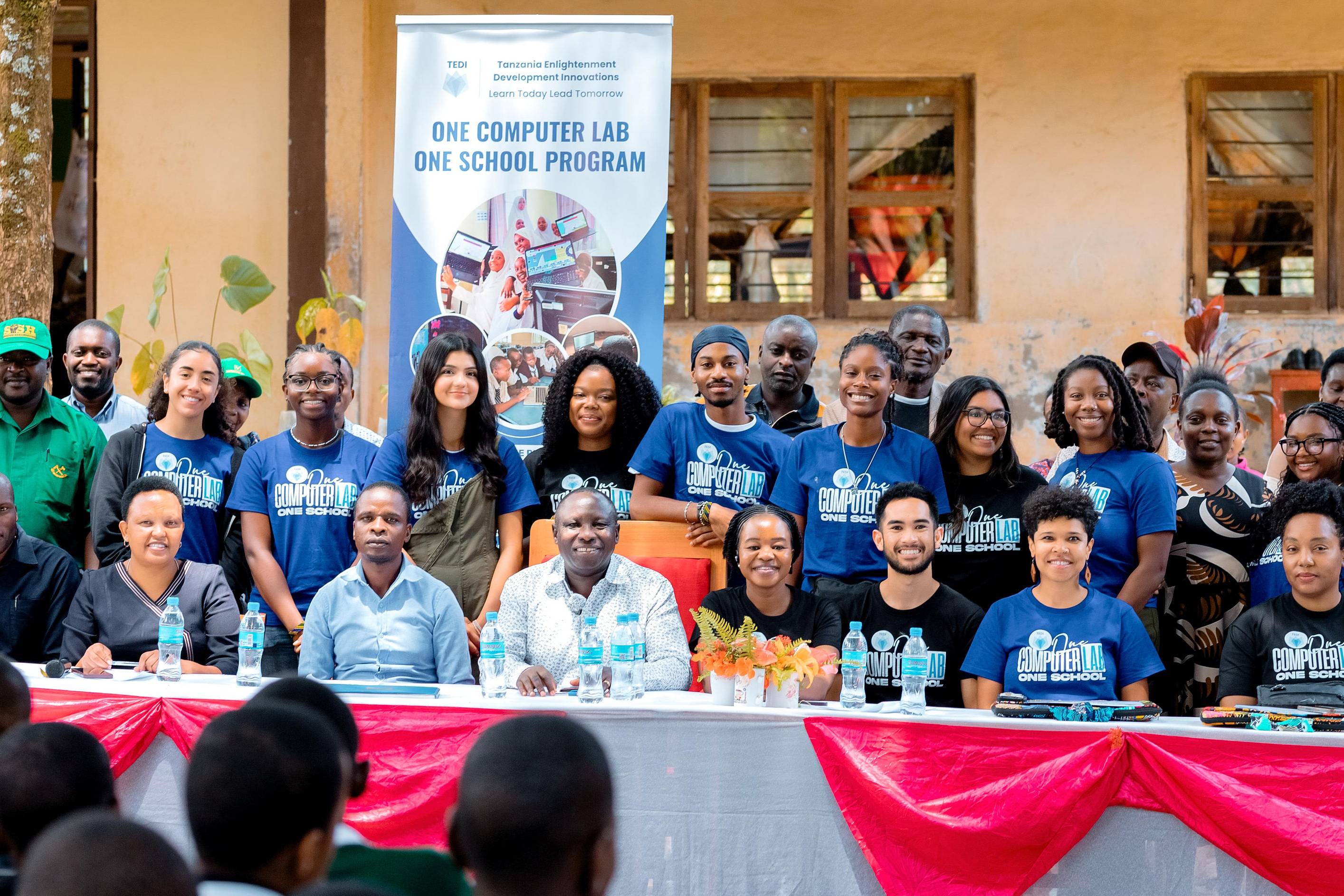
About the author: Gloria Anderson is the Founder and Executive Director of Tanzania Enlightenment Development Innovations (TEDI), a non-governmental organisation dedicated to improving the quality of education in Tanzania by integrating practical skills into the educational system. Under her leadership, TEDI provides programs such as entrepreneurship and employability skills training and digital literacy initiatives. One of her notable projects, “One Computer Lab One School,” aims to establish computer labs in under-resourced public schools, equipping students and teachers with essential computer skills, including e-learning and e-teaching through educational tools, e-libraries, and e-platforms.
In addition to her role at TEDI, Gloria manages stakeholders and communities of practice at the Africa Evidence Network. Her expertise in stakeholder engagement and community development enhances her ability to drive impactful initiatives and foster collaboration within the network.
TEDI was founded based on evidence from a research study conducted by Gloria on graduates’ perceptions of the contribution of university education to employability in Tanzania. The study revealed a significant gap between theoretical knowledge provided by the education system and the practical skills required in the job market and business environment, with 66% of graduates reporting a lack of soft skills. Gloria believes the key to Africa’s development is generating and utilising evidence to drive transformational impacts.
Acknowledgements: The author(s) is solely responsible for the content of this article, including all errors or omissions; acknowledgements do not imply endorsement of the content. The author is grateful to Charity Chisoro for her guidance in preparing and finalising this article, as well as her editorial support.
Disclaimer: The views expressed in published blog posts, as well as any errors or omissions, are the sole responsibility of the author/s and do not represent the views of the Africa Evidence Network, its secretariat, advisory or reference groups, or its funders; nor does it imply endorsement by the afore-mentioned parties.
Suggested citation: Anderson G (2025) Bridging Research and Action: Reflections from Utafiti Elimu Tanzania 2025. Blog posting on 20 March 2025. Available at: https://africaevidencenetwork.org/bridging-research-and-action-reflections-from-utafiti-elimu-tanzania-2025/2025/03/20/